

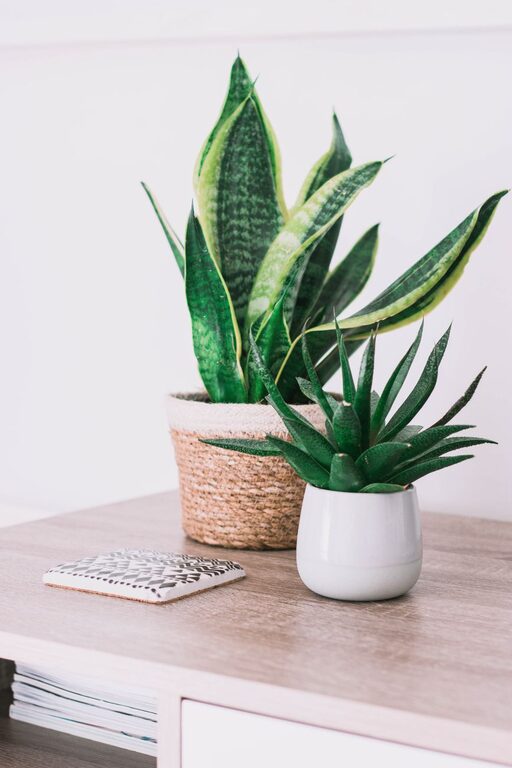
Bringing indoor plants into your home is more than just a decorating trend. These living elements add beauty, improve your environment, and can even boost your mood. Whether you have a spacious living room or a cozy apartment, incorporating plants into your space offers multiple benefits and can be surprisingly easy to maintain. In this article, we’ll explore the advantages of having indoor plants and share practical tips for simple care.
Why Choose Indoor Plants for Your Home?
Indoor plants provide several benefits beyond visual appeal. Here are some key reasons to consider adding greenery to your interiors:
1. Improved Air Quality
Plants naturally filter and purify the air by absorbing carbon dioxide and releasing oxygen. Many houseplants can also remove harmful toxins like formaldehyde and benzene, making your home’s air healthier to breathe.
2. Enhanced Mood and Productivity
Studies show that spending time around plants can reduce stress, increase concentration, and boost overall well-being. Having greenery in your home office or living space might help you feel calmer and more focused.
3. Natural Humidifiers
Indoor plants release moisture into the air through a process called transpiration. This can help maintain comfortable humidity levels inside your home, especially in dry climates or during winter months.
4. Aesthetic Appeal and Style
Plants add texture, color, and life to any room. They complement various decor styles — from minimalistic to bohemian — and can be used as statement pieces or subtle accents.
5. Connection to Nature
Bringing elements of nature indoors helps create a relaxing, welcoming environment. This connection is beneficial for mental and emotional health, especially if you spend a lot of time indoors.
Tips for Easy Indoor Plant Care
If you’re new to indoor gardening, don’t worry. Many plants are low-maintenance and forgiving. Follow these simple tips to help your greenery thrive:
1. Choose the Right Plants for Your Space
Some plants do better in low light, while others need bright, indirect sunlight. Here are beginner-friendly options for different conditions:
– Low light: Snake plant, pothos, ZZ plant
– Medium light: Spider plant, peace lily, philodendron
– Bright light: Succulents, aloe vera, fiddle leaf fig
2. Water Properly
Overwatering is a common mistake. Check the soil moisture before watering — most plants prefer to dry out slightly between watering. Use pots with drainage holes to prevent root rot.
3. Use the Right Soil and Pots
Use potting mix designed for indoor plants instead of garden soil, which may be too dense. Make sure your pots have suitable drainage to avoid water buildup.
4. Provide Adequate Light
Place plants near windows with the appropriate amount of sunlight. Rotate them occasionally to ensure all sides get light evenly and grow uniformly.
5. Keep the Plants Clean
Dust on leaves can block sunlight and reduce a plant’s ability to photosynthesize. Wipe leaves gently with a damp cloth every few weeks to keep them healthy.
6. Fertilize Occasionally
Indoor plants benefit from feeding during their growing season (spring and summer). Use a balanced, water-soluble fertilizer as directed on the label.
7. Repot When Needed
As plants grow, their roots can outgrow their pots. Repotting every 1-2 years into a larger container refreshes soil and helps the plant stay healthy.
Creative Ideas to Display Indoor Plants
Decorating with plants can be fun and customizable. Here are some ideas to inspire you:
– Shelves: Group small plants on open shelves to create a mini indoor garden.
– Terrariums: Use glass containers for succulents or air plants for an artistic touch.
– Hanging Planters: Save floor space with plants suspended in macramé or wall-mounted holders.
– Windowsills: Perfect spots for sunlight-loving plants like herbs or succulents.
– Plant Stands: Show off larger plants on decorative stands for added height and style.
Final Thoughts
Indoor plants are a wonderful way to enhance your home’s atmosphere and well-being. With a little attention and care, even beginners can enjoy lush greenery indoors. Start with a few easy-care plants and experiment with placement and styling to find what works best for your space. Your home will not only look fresher but feel brighter, too. Happy planting!