

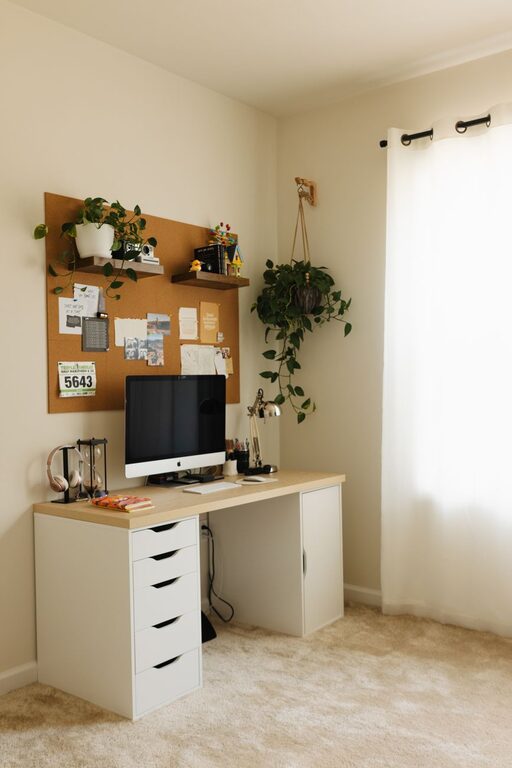
Creating a home office that feels cozy and inviting can make a big difference in your workday. Whether you spend a few hours a week working from home or need a dedicated space for full-time remote work, a well-designed office can boost your mood, improve focus, and make your work feel less like a chore. Here are some practical tips to help you design a home office that’s both comfortable and productive.
1. Choose the Right Location
The first step is selecting a spot in your home that suits your work needs:
– Natural light: Aim for a room or corner near a window. Natural light can improve your mood and reduce eye strain.
– Quiet zone: Try to pick a location with minimal distractions and household noise.
– Space for essentials: Make sure there’s enough room for your desk, chair, and any equipment you need.
If you don’t have a dedicated room, consider using room dividers or screens to create a separate work zone within a larger space.
2. Invest in Comfortable Furniture
Comfort is key for creating a cozy office that you’ll want to spend time in:
– Ergonomic chair: A supportive chair can prevent back pain and keep you comfortable during long hours.
– Proper desk height: Your desk should allow your forearms to rest parallel to the floor when typing.
– Flexible furniture: Adjustable desks, such as sit-stand options, offer variety and can help you stay active.
Adding a small side table or shelf nearby can help keep frequently used items within easy reach.
3. Use Soothing Colors and Textures
The colors and materials you choose can set the tone of your workspace:
– Soft, neutral tones: Shades like beige, soft gray, or light blue create a calming atmosphere.
– Accent colors: Use pops of color in accessories or artwork for visual interest without overwhelming the space.
– Textured elements: Add cozy rugs, cushions, or curtains to create warmth and softness.
Avoid overly bright or harsh colors that can cause distraction or fatigue.
4. Personalize Your Space
Make your office feel inviting by adding personal touches:
– Artwork and photos: Display images that inspire or comfort you.
– Plants: Adding greenery boosts mood and air quality. Low-maintenance options like succulents or pothos are great choices.
– Decorative accessories: Use items like decorative trays, candle holders, or stylish organizers to add personality without clutter.
Balance personalization with a clean, organized look to maintain focus.
5. Organize Thoughtfully
An organized workspace reduces stress and improves efficiency:
– Storage solutions: Use shelves, drawers, and boxes to keep documents and supplies neatly stored.
– Desk organizers: Keep pens, notes, and small items tidy and within reach.
– Cable management: Use clips or covers to reduce cord clutter.
Set aside time weekly to tidy your space and file away paperwork.
6. Optimize Lighting
Good lighting can help prevent eye strain and create a welcoming environment:
– Layer lighting: Combine natural light with overhead lights and a desk lamp for flexibility.
– Adjustable lamps: Choose lamps with adjustable brightness and direction to suit tasks.
– Warm bulbs: Use bulbs with warm color temperatures for a cozy feel.
Make sure your screen is positioned to avoid glare while still being well-lit.
7. Create a Relaxation Corner
If space allows, having a small area for breaks can refresh your mind:
– Comfortable chair or recliner: A place to stretch out and relax during breaks.
– Soft throws or pillows: Add warmth and coziness to your break spot.
– Books or magazines: Keep some light reading materials handy to unwind.
Taking regular breaks in a comfortable spot helps reduce burnout.
8. Incorporate Technology Wisely
Technology should support your work, not complicate it:
– Reliable equipment: Invest in quality monitors, keyboards, and webcams.
– Wireless options: Wireless devices reduce cord clutter and increase flexibility.
– Charging station: A dedicated spot to charge all devices helps keep cables organized.
Make sure your internet connection is strong to avoid interruptions.
9. Maintain Air Quality
Fresh air keeps you alert and comfortable:
– Ventilation: Open windows when possible or use fans and air purifiers.
– Houseplants: Besides decoration, many plants help purify indoor air.
– Humidity balance: Use a humidifier or dehumidifier if needed to keep air comfortable.
Proper air quality can reduce headaches and improve concentration.
10. Keep It Flexible
Finally, design a space that can adapt as your needs change:
– Modular furniture: Pieces you can move or rearrange easily.
– Multi-use areas: Use your office for work, reading, or creative hobbies.
– Seasonal updates: Change colors, textiles, and décor with the seasons to keep your space fresh.
Flexibility helps keep your office inviting long term.
—
Creating a cozy and inviting home office doesn’t require a big budget or complete renovation. Focusing on comfort, organization, lighting, and personal touches can transform any space into a welcoming work retreat. With a space that feels good to be in, you’ll be more motivated and productive every day. Happy decorating!