

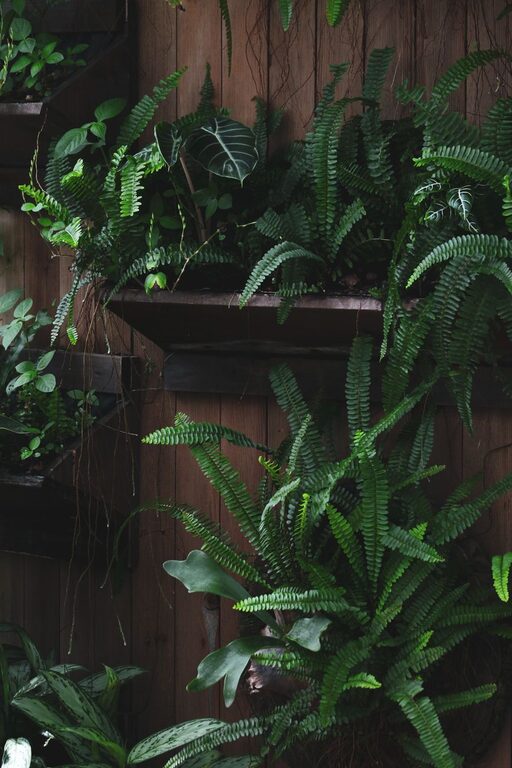
Creating an eco-friendly home garden is a rewarding way to contribute to the environment while enhancing your outdoor space. Whether you have a small balcony or a spacious backyard, adopting sustainable gardening practices can conserve resources, support local wildlife, and reduce your carbon footprint. In this post, we’ll share practical tips to help you design and maintain a garden that’s both beautiful and environmentally friendly.
Why Choose an Eco-Friendly Garden?
An eco-friendly garden limits the use of harmful chemicals and encourages natural processes. By focusing on native plants and sustainable techniques, you can:
– Reduce water and energy consumption
– Provide habitats for pollinators and birds
– Improve soil health naturally
– Minimize waste and pollution
Getting Started: Planning Your Garden
Before planting, take time to design your garden with the environment in mind.
Assess Your Space and Soil
– Observe sunlight patterns to choose the best plants for each area
– Test your soil pH and quality; consider natural amendments for balance
– Identify areas where rainwater collects to plan water-efficient landscaping
Choose Native and Drought-Tolerant Plants
Native plants are adapted to local conditions, requiring less water and fertilizer. Drought-tolerant species help conserve water and survive dry spells.
Include a Variety of Plants
Mix flowering plants, shrubs, and trees to create habitat diversity. This attracts beneficial insects and pollinators like bees and butterflies.
Sustainable Gardening Practices
Implement these methods to keep your garden eco-friendly and thriving.
Water Wisely
– Water early in the morning or late in the evening to reduce evaporation
– Use drip irrigation or soaker hoses for targeted watering
– Collect rainwater with barrels to reduce reliance on tap water
Create Healthy Soil
– Compost kitchen scraps and garden waste to enrich soil naturally
– Use mulch to retain moisture and prevent weeds
– Avoid synthetic fertilizers; opt for organic alternatives
Manage Pests Naturally
– Encourage beneficial insects like ladybugs and lacewings to control pests
– Use companion planting, such as marigolds near vegetables, to deter unwanted insects
– Avoid chemical pesticides that can harm pollinators and soil health
Reduce Lawn Size
Lawns often require lots of water and chemicals. Consider replacing some lawn areas with native groundcovers, flower beds, or vegetable gardens.
Additional Tips for an Eco-Friendly Garden
Support Wildlife
Provide bird feeders, bat houses, or bug hotels to invite helpful creatures. Plant berries and fruit shrubs that offer food for animals.
Reuse and Recycle
– Use reclaimed wood or recycled materials for garden structures
– Repurpose containers for pots or raised beds
– Recycle rainwater containers and garden tools when possible
Energy-Efficient Lighting
Opt for solar-powered garden lights to reduce energy use while illuminating pathways or features.
Final Thoughts
Building an eco-friendly garden is a continuous process that grows with you. Starting small and gradually incorporating more sustainable habits can make a significant impact over time. Not only will you enjoy a vibrant, healthy outdoor space, but you’ll also play a part in protecting the planet for future generations.
Happy gardening!